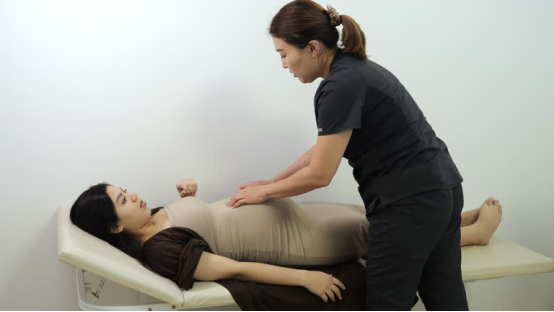
The Foundation of Pre-Pregnancy TCM Conditioning
Traditional Chinese Medicine (TCM) views fertility as a reflection of overall systemic balance. Rather than isolating reproductive organs, TCM practitioners focus on the Kidney Essence, Liver Qi, and Blood circulation to create an environment conducive to conception. Pre-pregnancy conditioning is a multi-month process designed to optimize egg quality and uterine lining.
Optimizing Hormonal Cycles
In TCM, the menstrual cycle is viewed as a dynamic interplay of Yin and Yang. Each phase requires specific nourishment:
- Follicular Phase (Yin): Focuses on building blood and fluid to support follicle maturation.
- Ovulation: Transition period where Yang begins to rise to facilitate the release of the egg.
- Luteal Phase (Yang): Emphasizes warmth to support the corpus luteum and implantation.

Managing Complex Conditions: PCOS and Unexplained Infertility
Modern reproductive challenges like Polycystic Ovary Syndrome (PCOS) often present as “Phlegm-Dampness” or “Blood Stasis” in TCM terminology. By addressing the root metabolic disturbances rather than just symptoms, TCM offers a comprehensive approach to cycle regulation.
Approaching Unexplained Infertility
When clinical tests return normal results but conception remains elusive, TCM investigates subtle energetic blockages. This often involves identifying Liver Qi Stagnation caused by stress or chronic Kidney Yang deficiency, which may impair the body’s ability to sustain an early pregnancy.

Enhancing the Uterine Environment
The endometrium is the “soil” for the embryo. TCM strategies focus on improving blood flow to the uterus to ensure a thick, receptive lining. A common concern is “Uterine Cold,” which can lead to poor implantation or recurrent miscarriage.
Strategies for Uterine Health
| TCM Pattern | Clinical Presentation | Therapeutic Focus |
|---|---|---|
| Uterine Cold | Cold limbs, painful periods, pale blood | Warming the uterus via moxibustion |
| Blood Stasis | Clotted flow, sharp pain, dark blood | Invigorating blood and moving Qi |
By employing acupuncture and targeted herbal formulas, practitioners aim to dissipate cold and clear stasis, thereby drastically improving the success rate of both natural conception and assisted reproductive technologies.

Maintaining Wellness During Pregnancy
TCM support does not stop at conception. During the early stages of pregnancy, the focus shifts to calming the fetus and preventing miscarriage. This is achieved by strengthening the Spleen and Kidney systems to provide a stable energetic foundation for the developing fetus.
Frequently Asked Questions (FAQ)
- Q1: How long should I undergo TCM conditioning before trying to conceive?
- Ideally, a period of 3 to 6 months is recommended. This allows for the full maturation cycles of eggs and the stabilization of the hormonal environment.
- Q2: Can TCM be used alongside IVF?
- Yes, many patients use TCM as a complementary therapy to improve egg quality and endometrial thickness, which can potentially enhance IVF outcomes.
- Q3: What is “Uterine Cold” and why is it bad for fertility?
- Uterine cold refers to poor circulation and a lack of warmth in the reproductive region. In TCM, this inhibits the implantation process and is linked to painful menstruation and early pregnancy loss.
- Q4: Is TCM safe during early pregnancy?
- TCM is often used to support early pregnancy, particularly to address symptoms like morning sickness or spotting, but it must be managed by a licensed practitioner who understands pregnancy-safe protocols.