This comprehensive guide delves into the critical topic of stroke, a medical emergency that occurs when blood flow to the brain is interrupted, causing brain cells to die. Understanding stroke is paramount for timely intervention, effective treatment, and successful recovery. This article expands upon the foundational knowledge of stroke, offering an ultimate guide for patients, caregivers, and anyone seeking to deepen their understanding of this life-altering condition. We will explore the different types of stroke, delve into the ‘why’ behind its occurrence, detail the immediate actions required, and outline the long-term journey of rehabilitation and prevention.
Understanding Stroke: Types and Mechanisms
A stroke, often referred to as a “brain attack,” is a serious medical condition requiring immediate attention. It happens when the blood supply to part of your brain is interrupted or reduced, depriving brain tissue of oxygen and nutrients. Within minutes, brain cells begin to die. The impact of a stroke depends on which part of the brain is affected and the extent of the damage. Historically, stroke has been recognized as a sudden onset neurological deficit, with early descriptions dating back to Hippocrates, who used the term “apoplexy” meaning “struck down by violence.” Modern understanding, aided by advanced imaging, has refined our knowledge of the precise mechanisms.
Ischemic Stroke: The Blockage
Approximately 87% of all strokes are ischemic strokes. These occur when the blood vessels supplying the brain become narrowed or blocked, leading to severely reduced blood flow (ischemia). The blockages are typically caused by blood clots, which can form in two primary ways:
- Thrombotic Stroke: A blood clot (thrombus) forms in one of the arteries that supply blood to the brain. This often happens in arteries damaged by atherosclerosis, a condition where plaque builds up in the arteries, making them narrower and rougher, thus more prone to clot formation.
- Embolic Stroke: A blood clot (embolus) or other debris forms away from the brain—often in the heart—and is swept through the bloodstream to lodge in narrower brain arteries. A common cause of embolic stroke is atrial fibrillation, an irregular heart rhythm that can lead to clot formation in the heart’s chambers.
Hemorrhagic Stroke: The Bleed
Hemorrhagic stroke occurs when a blood vessel in the brain leaks or ruptures. Blood spills into or around the brain, creating pressure and damaging brain cells. While less common than ischemic strokes, hemorrhagic strokes are often more severe. There are two main types:
- Intracerebral Hemorrhage: This is the most common type of hemorrhagic stroke, where a blood vessel within the brain bursts and bleeds into the surrounding brain tissue. High blood pressure (hypertension) is the most frequent cause, weakening blood vessel walls over time.
- Subarachnoid Hemorrhage: In this type, bleeding occurs in the space between the brain and the surrounding membranes (the subarachnoid space). This is often caused by the rupture of an aneurysm—a balloon-like bulge in a blood vessel that can weaken and burst—or an arteriovenous malformation (AVM), an abnormal tangle of blood vessels.
Transient Ischemic Attack (TIA): A Warning Sign
A transient ischemic attack (TIA), often called a “mini-stroke,” is a temporary period of symptoms similar to those of a stroke. A TIA is caused by a temporary decrease in blood supply to part of the brain, spinal cord, or retina, but unlike a stroke, it doesn’t cause permanent brain damage. TIAs are crucial warning signs of a future stroke and should never be ignored. Seeking immediate medical attention for a TIA is vital, as it allows for diagnosis and intervention to prevent a full-blown stroke, which often follows within days or weeks.

Identifying a Stroke: Recognizing Symptoms with FAST
Recognizing the symptoms of a stroke quickly is critical because early intervention can significantly reduce brain damage and improve outcomes. Time is brain. Every minute counts. The acronym FAST is a simple, effective tool to help people remember the most common signs of stroke and the importance of immediate action. Understanding the underlying neurological reasons for these symptoms helps emphasize the urgency.
The FAST Acronym Explained
The FAST test is a quick way to assess if someone might be having a stroke:
- F – Face Drooping: Ask the person to smile. Does one side of the face droop or is it numb? This occurs due to damage to the facial nerve pathways in the brain.
- A – Arm Weakness: Ask the person to raise both arms. Does one arm drift downward? Is one arm weak or numb? This indicates motor pathway disruption in the brain.
- S – Speech Difficulty: Ask the person to repeat a simple sentence. Is their speech slurred, strange, or difficult to understand? Are they unable to speak? This points to damage in the brain’s language centers (Broca’s or Wernicke’s area).
- T – Time to call emergency services: If the person shows any of these symptoms, even if they disappear, call 911 or your local emergency number immediately. Note the time symptoms first appeared.
Other Common Stroke Symptoms
While FAST covers the most common and easily recognizable symptoms, other signs can indicate a stroke:
- Sudden numbness or weakness on one side of the body (face, arm, or leg).
- Sudden confusion or trouble understanding speech.
- Sudden trouble seeing in one or both eyes.
- Sudden trouble walking, dizziness, loss of balance, or coordination.
- Sudden severe headache with no known cause.
The sudden onset of these symptoms is a key indicator. They typically appear abruptly, reflecting the sudden interruption of blood flow or bleeding in the brain.
Causes and Risk Factors: Prevention is Key
Understanding the causes and risk factors associated with stroke is fundamental to prevention. Many risk factors are modifiable, meaning individuals can take proactive steps to reduce their likelihood of experiencing a stroke. This involves a deep dive into lifestyle choices, medical conditions, and genetic predispositions.
Modifiable Risk Factors
These are factors that can be changed, treated, or controlled through lifestyle adjustments and medical intervention:
- High Blood Pressure (Hypertension): The leading cause of stroke. It damages blood vessels throughout the body, including those supplying the brain, making them more likely to burst or clog.
- High Cholesterol: Contributes to atherosclerosis, the hardening and narrowing of arteries, increasing the risk of clots.
- Diabetes: High blood sugar levels damage blood vessels over time, making them more prone to narrowing and clot formation.
- Atrial Fibrillation (AFib): An irregular heartbeat that can cause blood to pool in the heart, leading to clot formation that can travel to the brain.
- Smoking: Damages blood vessels, increases blood pressure, and makes blood more likely to clot. Both direct smoking and exposure to secondhand smoke increase risk.
- Obesity: Linked to high blood pressure, diabetes, and heart disease, all of which are stroke risk factors.
- Physical Inactivity: Contributes to obesity, high blood pressure, and diabetes.
- Unhealthy Diet: Diets high in saturated fats, trans fats, cholesterol, and sodium can lead to high blood pressure, high cholesterol, and obesity.
- Excessive Alcohol Consumption: Can raise blood pressure and contribute to atrial fibrillation.
Non-Modifiable Risk Factors
These are factors that cannot be changed, but awareness of them can encourage stricter management of modifiable risks:
- Age: The risk of stroke increases with age, especially after age 55.
- Family History: A family history of stroke, heart attack, or TIA can indicate a genetic predisposition.
- Race/Ethnicity: African Americans have a higher risk of stroke than Caucasians, partly due to higher rates of high blood pressure, diabetes, and sickle cell disease.
- Gender: Stroke is more common in men, but more women die from stroke.
- Prior Stroke or TIA: Having a previous stroke or TIA significantly increases the risk of another one.
Emergency Treatment and Diagnosis
When a stroke occurs, every second counts. The goal of emergency treatment is to restore blood flow to the brain as quickly as possible for ischemic strokes, or to stop bleeding and reduce pressure for hemorrhagic strokes. The diagnostic process is rapid and critical for determining the type of stroke and guiding treatment.
Immediate Diagnostic Procedures
Upon arrival at the emergency room, a rapid assessment is performed:
- Physical and Neurological Exam: Doctors assess symptoms, motor skills, vision, and speech.
- Blood Tests: To check clotting time, blood sugar levels, and rule out other conditions.
- CT Scan (Computed Tomography): A quick scan of the brain to differentiate between an ischemic and hemorrhagic stroke. This is crucial as treatments differ significantly.
- MRI (Magnetic Resonance Imaging): Provides a more detailed view of the brain and can detect brain tissue damaged by ischemic stroke more accurately, sometimes even identifying the exact brain region affected.
- Carotid Ultrasound: Checks for narrowing or clots in the carotid arteries in the neck, which supply blood to the brain.
- Cerebral Angiogram: A procedure using a catheter and contrast dye to visualize blood vessels in the brain, identifying blockages or aneurysms.
- Echocardiogram: Checks the heart for blood clots that might have traveled to the brain.
Emergency Treatment for Ischemic Stroke
The primary treatments for ischemic stroke focus on dissolving or removing the clot:
- Tissue Plasminogen Activator (tPA): An intravenous medication that can dissolve blood clots. It must be administered within 3 to 4.5 hours of symptom onset for maximum effectiveness. This is why “Time is Brain” is so critical.
- Endovascular Procedures:
- Mechanical Thrombectomy: A procedure where a catheter is threaded through an artery, usually in the groin, to the brain to physically remove a large blood clot. This can be performed up to 24 hours after symptom onset in select patients.
- Stents: In some cases, a stent may be placed in a narrowed artery to keep it open.
Emergency Treatment for Hemorrhagic Stroke
Treatment for hemorrhagic stroke focuses on controlling the bleeding and reducing pressure on the brain:
- Medications: To lower blood pressure, reverse the effects of blood thinners, and manage brain swelling.
- Surgical Intervention:
- Surgical Clipping: A tiny clamp is placed at the base of an aneurysm to stop blood flow to it.
- Coiling (Endovascular Embolization): A catheter is guided to the aneurysm, and tiny platinum coils are inserted to fill the aneurysm, blocking blood flow and preventing rupture.
- Craniotomy: Surgical removal of blood or repair of a ruptured blood vessel.
Life After Stroke: Rehabilitation and Long-Term Management
The journey after a stroke extends far beyond the emergency room. Rehabilitation is a crucial, often extensive, process designed to help individuals regain lost abilities and adapt to new challenges. Long-term management focuses on preventing future strokes and improving overall quality of life.
Stroke Rehabilitation: Regaining Independence
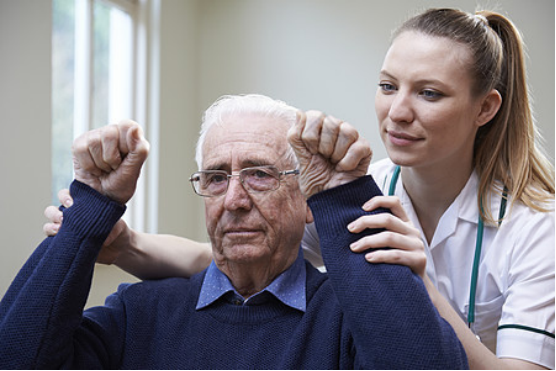
Rehabilitation typically begins as soon as the patient is medically stable, sometimes within 24-48 hours of the stroke. The intensity and duration vary widely depending on the severity of the stroke and individual needs. A multidisciplinary team works together to address various impairments:
- Physical Therapy (PT): Focuses on regaining strength, balance, coordination, and mobility. Patients learn exercises to strengthen weakened muscles and techniques for walking, transferring, and performing daily tasks.
- Occupational Therapy (OT): Helps individuals relearn daily living activities (ADLs) such as eating, dressing, bathing, and performing household chores. OT also helps with adapting environments and using assistive devices.
- Speech and Language Therapy (SLT): Addresses communication difficulties (aphasia), swallowing problems (dysphagia), and cognitive issues like memory and problem-solving.
- Recreational Therapy: Helps individuals find ways to engage in hobbies and social activities, promoting emotional well-being and community reintegration.
- Psychological Counseling: Many stroke survivors experience depression, anxiety, or emotional lability. Counseling provides support and strategies for coping.
Long-Term Management and Secondary Prevention
Preventing a recurrent stroke is a cornerstone of long-term care. This involves ongoing medical management and lifestyle modifications:
- Medication Adherence: Taking prescribed medications for blood pressure, cholesterol, diabetes, and blood thinners as directed is vital.
- Lifestyle Modifications:
- Healthy Diet: Emphasis on fruits, vegetables, whole grains, and lean proteins, low in sodium and saturated fats (e.g., DASH or Mediterranean diet).
- Regular Exercise: Aim for at least 150 minutes of moderate-intensity aerobic activity per week, as advised by a doctor.
- Smoking Cessation: Quitting smoking is one of the most impactful steps to reduce stroke risk.
- Moderate Alcohol Intake: Limiting alcohol consumption to recommended levels.
- Regular Medical Check-ups: Ongoing monitoring of risk factors and general health.
- Support Groups: Connecting with other stroke survivors and caregivers can provide invaluable emotional support and practical advice.
Pro Tips for Stroke Prevention and Recovery
Beyond standard medical advice, certain proactive strategies and insights can significantly enhance both stroke prevention efforts and the recovery process. These “Pro Tips” are drawn from expert observations and patient experiences, offering practical, actionable advice.
Prevention Pro Tips
- Know Your Numbers: Regularly monitor and understand your blood pressure, cholesterol levels (LDL, HDL, triglycerides), and blood sugar. Don’t wait for symptoms; proactive monitoring is key.
- Adopt a “Brain-Healthy” Diet: Beyond just avoiding bad foods, actively seek out brain-protective nutrients. Incorporate omega-3 fatty acids (from fish like salmon, flaxseeds), antioxidants (berries, leafy greens), and foods rich in potassium (bananas, sweet potatoes) to support cardiovascular health.
- Manage Stress Effectively: Chronic stress can elevate blood pressure and contribute to unhealthy coping mechanisms. Practice mindfulness, meditation, yoga, or engage in hobbies that promote relaxation.
- Prioritize Sleep: Poor sleep quality, especially sleep apnea, is a significant risk factor for stroke. If you snore loudly or feel excessively tired during the day, consult a doctor for a sleep study.
- Stay Hydrated: Dehydration can increase blood viscosity, potentially making blood clots more likely. Drink adequate water throughout the day.
Recovery Pro Tips
- Embrace Neuroplasticity: The brain’s ability to reorganize itself by forming new neural connections is powerful. Believe in your ability to recover and consistently engage in rehabilitation exercises, even when progress feels slow. Consistency is paramount.
- Set SMART Goals: Make your rehabilitation goals Specific, Measurable, Achievable, Relevant, and Time-bound. Break down large goals (e.g., “walk again”) into smaller, manageable steps (e.g., “stand for 5 minutes unassisted by next week”).
- Leverage Technology: Explore assistive technologies, apps for cognitive exercises, or smart home devices that can aid independence and safety during recovery.
- Build a Strong Support System: Actively communicate your needs with family, friends, and your medical team. Don’t hesitate to join stroke support groups; shared experiences can be incredibly empowering.
- Be Patient and Kind to Yourself: Recovery is a marathon, not a sprint. There will be good days and challenging days. Celebrate small victories and acknowledge your efforts. Avoid comparing your progress to others.
Stroke Management Checklist
This checklist provides a structured approach to both immediate response and long-term management of stroke, ensuring critical steps are not overlooked. It serves as a practical guide for individuals, caregivers, and healthcare providers.
| Phase | Action Item | Details |
|---|---|---|
| Immediate Response (Suspected Stroke) | Call Emergency Services (911/Local Equivalent) | Do not delay. Note the exact time symptoms started. |
| Perform FAST Test | Check for Face drooping, Arm weakness, Speech difficulty. | |
| Do NOT Give Food/Drink | Risk of choking if swallowing is impaired. | |
| Keep Person Calm & Comfortable | Loosen tight clothing, position head slightly elevated. | |
| Hospital Care (Diagnosis & Treatment) | Undergo Rapid Diagnostic Imaging | CT/MRI scan to identify stroke type (ischemic vs. hemorrhagic). |
| Receive Appropriate Emergency Treatment | tPA for ischemic stroke (within window), clot removal, or bleeding control for hemorrhagic. | |
| Discuss Treatment Options & Risks | Understand the procedures, potential side effects, and prognosis. | |
| Post-Stroke Rehabilitation | Engage in Multidisciplinary Therapy | Participate actively in Physical, Occupational, and Speech Therapy. |
| Set Realistic Rehabilitation Goals | Work with therapists to establish achievable, incremental milestones. | |
| Utilize Assistive Devices | Learn to use walkers, braces, or adaptive tools as needed. | |
| Attend Support Groups | Connect with other survivors and caregivers for emotional and practical support. | |
| Long-Term Management & Prevention | Adhere to Medication Regimen | Take all prescribed medications for blood pressure, cholesterol, etc., consistently. |
| Adopt a Heart-Healthy Lifestyle | Maintain a balanced diet, engage in regular exercise, quit smoking, limit alcohol. | |
| Regular Medical Check-ups | Monitor blood pressure, cholesterol, blood sugar, and follow-up with neurologists. | |
| Manage Stress Effectively | Incorporate stress-reduction techniques into daily routine. |
Frequently Asked Questions (FAQ)
- What is the difference between a stroke and a TIA?
- A stroke causes permanent brain damage due to a prolonged interruption of blood flow, leading to lasting neurological deficits. A TIA (Transient Ischemic Attack), often called a “mini-stroke,” is a temporary blockage of blood flow that causes stroke-like symptoms but does not result in permanent brain damage. However, a TIA is a critical warning sign that a full-blown stroke may occur soon and requires immediate medical attention.
- How quickly do I need to get help if I suspect a stroke?
- Immediately. Time is brain. For ischemic strokes, clot-busting medications like tPA are most effective when given within 3 to 4.5 hours of symptom onset. Mechanical thrombectomy can extend this window for some patients. Delaying treatment can lead to more extensive brain damage and worse outcomes. Call 911 or your local emergency number at the first sign of stroke symptoms.
- Can a stroke be prevented?
- Many strokes are preventable, especially those caused by modifiable risk factors. Managing high blood pressure, cholesterol, and diabetes, quitting smoking, maintaining a healthy weight, eating a balanced diet, and engaging in regular physical activity can significantly reduce your risk. Regular check-ups and adherence to prescribed medications are also crucial.
- What is the recovery process like after a stroke?
- Stroke recovery is a highly individualized and often lengthy process. It typically involves a multidisciplinary rehabilitation team including physical, occupational, and speech therapists. The goal is to regain lost abilities, adapt to new challenges, and improve quality of life. Recovery can continue for months or even years, with the most significant gains often seen in the first few months post-stroke. Patience, persistence, and a strong support system are key.
- What are the long-term effects of a stroke?
- Long-term effects vary widely depending on the stroke’s location and severity. Common effects can include physical impairments (weakness, paralysis on one side), speech and language difficulties (aphasia), cognitive issues (memory problems, difficulty concentrating), emotional changes (depression, anxiety), and sensory changes (numbness, altered perception). Many individuals learn to manage these effects through rehabilitation and adaptive strategies.