Source: cfairly.com
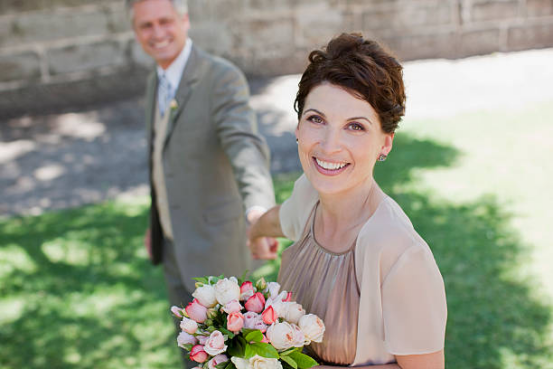
Entering a second or third marriage after the age of 40 is not merely a repeat of one’s youth; it is a sophisticated “second act” that demands a different set of emotional tools. By this stage of life, individuals carry a mosaic of experiences—some beautiful, some traumatic. To succeed, one must pivot from the impulsive passion of the 20s toward a grounded, “gentle” love that prioritizes psychological safety and self-actualization.
Understanding the Landscape of Remarriage After 40
The psychological landscape of middle-age romance is defined by maturity and the “baggage” we often fear but should actually embrace as wisdom. In our 40s, we are no longer blank slates. We have established careers, financial habits, and often, children or aging parents. This context changes the “Why” behind marriage.
The Shift from Intensity to Intimacy
Younger relationships often thrive on high-octane intensity and the biological drive to build a foundation from scratch. In contrast, remarriage after 40 focuses on deep intimacy—the ability to be truly seen and accepted. This requires a transition from “finding the right person” to “being the right person” through continuous self-reflection.
| Factor | Marriage in 20s | Remarriage in 40s+ |
|---|---|---|
| Primary Goal | Building a life/foundation | Companionate growth/stability |
| Conflict Style | Reactive and emotional | Reflective and communicative |
| External Influence | Peers and parents | Children and ex-partners |
| Financial Focus | Wealth accumulation | Asset protection and legacy |

The Foundation of Self-Love and Emotional Healing
The core principle of a successful late-life marriage is the ability to “love yourself gently.” Many individuals rush into new relationships to escape the loneliness of a previous divorce or loss. However, true stability comes from a healed interior.
Healing the Inner Child and Past Traumas
Remarriage often triggers old “attachment wounds.” If a previous spouse was unfaithful or emotionally distant, those fears may resurface with a new partner. Loving yourself gently means acknowledging these triggers without allowing them to dictate your current behavior. It involves setting boundaries that protect your peace while remaining open to your partner’s affection.
Expert Advice: The 70/30 Rule
Relationship experts suggest that in a healthy remarriage, 70% of your happiness should come from your own self-worth, hobbies, and personal achievements, while 30% is enhanced by your partner. This prevents the “suffocation” that often dooms second marriages.
Navigating the Logistics of a Blended Life
Unlike first marriages, remarriages are rarely just about two people. They are a merger of two existing ecosystems. Success depends on how well you manage the intersection of these worlds.
Blended Family Dynamics
If children are involved, the “gentle love” approach must extend to them. Transitioning into a stepparent role requires patience and a lack of ego. It is essential to establish a “United Front” with your new spouse regarding house rules while respecting the biological parents’ roles.
- Financial Transparency: Discuss debts, alimony, and inheritance early to avoid resentment.
- Space Integration: Decide whether to move into one person’s home or start fresh in a neutral space.
- Ritual Creation: Develop new traditions that belong solely to the new couple.
Emotional Readiness Checklist
- Have I fully processed the end of my previous relationship?
- Can I discuss my needs without fear of rejection?
- Am I financially independent enough to choose marriage for love, not survival?
- Do I respect my partner’s past as much as I respect their present?
Frequently Asked Questions (FAQ)
- How long should I wait after a divorce before remarrying?
- While there is no “magic number,” psychologists often recommend at least two years. This allows the “grief cycle” to complete and ensures you are not entering a rebound relationship based on temporary emotional needs.
- How do we handle “ex-spouse” interference?
- Establish firm boundaries. Communication with exes should be limited to co-parenting logistics. Ensure your current partner feels prioritized and that “old ghosts” are not invited into your new domestic space.
- Is a prenuptial agreement necessary after 40?
- In many cases, yes. By 40, you likely have assets, retirement funds, or inheritance plans for your children. A prenup is not a sign of distrust; it is a tool for clarity and protection for both parties and their heirs.
- What if my adult children don’t approve of the remarriage?
- Listen to their concerns with empathy, but remember that your happiness is your responsibility. Give them time to adjust, but maintain your boundaries regarding your right to a fulfilling romantic life.
- How do we maintain “gentle love” during arguments?
- Practice the “Pause.” When tension rises, take 20 minutes to cool down. Return to the conversation using “I” statements (e.g., “I feel overwhelmed when…”) rather than “You” statements, which trigger defensiveness.