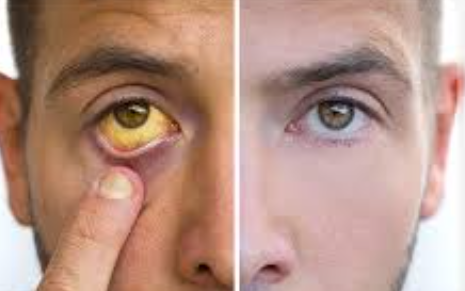
Jaundice, characterized by the yellowing of the skin and eyes due to elevated bilirubin levels, is viewed in Traditional Chinese Medicine (TCM) as more than a localized liver issue. It is an external manifestation of internal disharmony, primarily involving the Liver, Gallbladder, and Spleen. By addressing the root cause—often identified as the accumulation of “Dampness” and “Heat”—TCM offers a holistic pathway to revitalize the body and restore natural metabolic functions.
Understanding Jaundice: A TCM Perspective on Liver Health
In TCM theory, the liver is responsible for the smooth flow of Qi (vital energy) and the storage of blood. When the Liver and Gallbladder are obstructed by external pathogens or internal emotional stress, the flow of bile is disrupted. This “overflow” of bile into the skin and tissues results in the yellow discoloration known as jaundice.
The Pathophysiology of Damp-Heat
Most acute cases of jaundice are classified under “Damp-Heat” syndromes. Dampness represents heavy, stagnant moisture in the body, while Heat represents inflammation or overactivity. When these two combine, they “steam” the Liver and Gallbladder, forcing bile out of its proper channels. Understanding this mechanism is crucial for selecting the right cooling and draining herbs.
| TCM Element | Biological Correlation | Symptom Manifestation |
|---|---|---|
| Damp-Heat | Inflammation/Bile Stasis | Bright yellow skin, fever, thirst |
| Cold-Damp | Chronic Metabolic Slowdown | Dull yellow skin, fatigue, cold limbs |
| Qi Stagnation | Stress-induced Liver dysfunction | Chest fullness, mood swings |

The Two Faces of Jaundice: Differentiating Yang and Yin Patterns
TCM practitioners categorize jaundice into two primary types: Yang Huang (Yang Jaundice) and Yin Huang (Yin Jaundice). Distinguishing between these is the first step in creating a personalized recovery plan, as the treatment principles are diametrically opposed.
Yang Huang: The Acute Phase
Yang Huang is characterized by a “fresh tangerine” yellow hue on the skin. It is typically acute and associated with excess Heat. Patients may experience intense thirst, constipation, and dark, scanty urine. The goal here is to clear Heat and promote diuresis to flush out toxins.
Yin Huang: The Chronic Phase
In contrast, Yin Huang presents as a “smoky” or dull yellow color. This is a deficiency pattern often seen in chronic conditions. It indicates that the body’s Yang energy is too weak to transform dampness. Treatment focuses on warming the middle burner (Spleen/Stomach) and tonifying Qi to help the body process bilirubin effectively.

Core Herbal Formulas for Natural Bilirubin Regulation
Herbal medicine serves as the cornerstone of TCM jaundice treatment. These formulas are designed to target the specific disharmony identified during diagnosis, ensuring that the liver is supported rather than just suppressed.
The Power of Yin Chen Hao
Yin Chen (Artemisia capillaris) is the “sovereign” herb for jaundice. Modern pharmacological research suggests that Yin Chen can increase bile secretion and protect liver cells from oxidative stress. It is frequently combined with Zhi Zi (Gardenia fruit) and Da Huang (Rhubarb) to create the famous Yin Chen Hao Tang, a formula used for centuries to clear Damp-Heat.
- Yin Chen (Herba Artemisiae Capillaris): Clears heat and facilitates the excretion of bile.
- Zhi Zi (Fructus Gardeniae): Drains heat from the three burners and calms irritability.
- Fu Ling (Poria): Strengthens the Spleen and leaches out dampness through urination.
- Huang Qi (Astragalus): Used specifically in Yin Huang cases to boost Qi and support immune function.
Holistic Lifestyle Strategies for Sustained Liver Recovery
Recovery from jaundice requires a synergy between herbal intervention and lifestyle modification. Without changing the environment that allowed “Dampness” to accumulate, the risk of recurrence remains high.
Dietary Therapy: The “Cleanse” Protocol
During the recovery phase, the digestive system is fragile. TCM recommends avoiding “damp-producing” foods such as dairy, refined sugars, and greasy, fried items. Instead, focus on cooling and bitter foods like bitter melon, celery, and mung beans, which naturally assist the liver in detoxification.
Expert Pro-Tips for Liver Vitality
1. Hydration with a Twist: Drink warm water with a slice of lemon in the morning to “wake up” the Liver Qi.
2. Rest During “Liver Time”: In the TCM Organ Clock, the Liver regenerates between 1 AM and 3 AM. Ensure deep sleep during these hours to facilitate blood filtration.
3. Acupressure: Stimulate the “Taichong” (LV3) point located on the foot to relieve Liver stagnation and reduce stress-related jaundice symptoms.
Frequently Asked Questions (FAQ)
- Can TCM be used alongside Western medical treatments for jaundice?
- Yes, TCM is often used as a complementary therapy. While Western medicine focuses on the underlying pathology (like gallstones or viral hepatitis), TCM supports the body’s recovery environment. Always consult both your MD and TCM practitioner to ensure herb-drug compatibility.
- How long does it take to see results with TCM for jaundice?
- Acute Yang Huang cases may show improvement in skin tone and energy within 1-2 weeks of consistent herbal therapy. Chronic Yin Huang patterns may take several months of tonification to fully resolve the underlying deficiency.
- Are there specific foods I should absolutely avoid?
- Strictly avoid alcohol and highly processed “spicy” foods. In TCM, these are considered “Pure Heat” and “Toxic Dampness,” which directly exacerbate liver inflammation and stall the clearing of jaundice.
- Is TCM safe for neonatal jaundice in newborns?
- TCM has specific, very gentle protocols for newborns, often involving herbal baths rather than oral ingestion. However, neonatal jaundice must be closely monitored by a pediatrician to prevent neurological complications.
- What is the most important herb for liver detox?
- Yin Chen (Artemisia capillaris) is considered the gold standard in TCM for jaundice due to its unique ability to target the gallbladder and liver channels specifically to move bile.