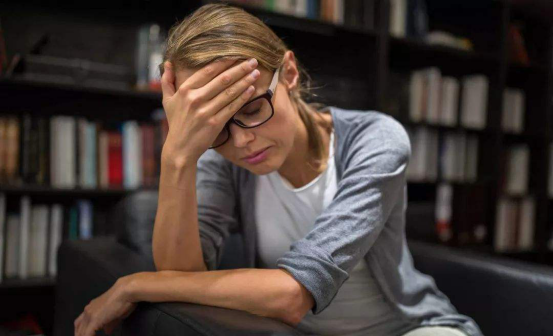
Anxiety is a common phenomenon, but severe anxiety may indicate a mental health problem, which is usually treatable. This article explains what extreme anxiety means, differentiates between normal anxiety and anxiety disorders, and provides coping strategies to help reduce the impact of severe anxiety.
What Is Extreme Anxiety?
“Extreme anxiety” describes excessive or disproportionate feelings of worry, panic, or fear. This phrase is not a clinical term or a mental illness diagnosis. People experience anxiety in different ways, which can range from mild to severe, and the level of anxiety may change over time. If anxiety severely affects the functioning of all aspects of life, it may be an anxiety disorder.
The Difference Between Normal Anxiety and Severe Anxiety
Moderate anxiety helps people cope with stress and can improve the speed and accuracy of actions. However, excessive anxiety can interfere with normal functioning and cause distress. When severe, it can hinder work and social interactions, leading to the avoidance of situations that trigger anxiety.
Signs of Extreme Anxiety
If your anxiety is severe in terms of duration or intensity, has a negative impact on your life, or worsens over time, you may have an anxiety disorder. Only a doctor or mental health professional can diagnose an anxiety disorder, but there are some physical and psychological symptoms to watch out for.
- Physical Symptoms: Extreme anxiety can manifest as physical symptoms, such as:
- Rapid heartbeat
- Shortness of breath
- Sweating or trembling
- Difficulty breathing
- Gastrointestinal problems (stomachaches or digestive issues)
- Sleep difficulties, like trouble falling asleep or staying asleep
- Psychological/Emotional Symptoms: Severe anxiety also affects you psychologically or emotionally, causing the following symptoms:
- Intense feelings of fear or worry that are irrational or out of proportion to the actual threat
- Increased restlessness and agitation
- Avoidance of social situations or extreme anxiety in social settings
- Difficulty concentrating or completing daily tasks
- Relationship problems
- Suicidal thoughts
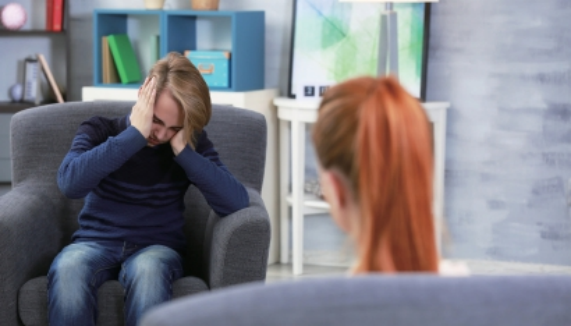
- Panic Attacks: Extreme anxiety can also present as panic attacks. Panic attacks are characterized by a sudden onset of intense fear or discomfort, accompanied by various physical sensations, including:
- Rapid heartbeat
- A feeling of choking
- Nausea
- Trembling
- Chills
- A sense of unreality
- A fear of dying
- A feeling of losing control or “going crazy”
- The feeling that you’re about to die
Types of Severe Anxiety Disorders
There are various types of anxiety disorders, including Generalized Anxiety Disorder, Obsessive – Compulsive Disorder, Panic Disorder, Post – Traumatic Stress Disorder, and Social Anxiety Disorder. People with Generalized Anxiety Disorder experience excessive worry, accompanied by symptoms such as restlessness and fatigue. Those with Obsessive – Compulsive Disorder have unwanted thoughts and repetitive behaviors to relieve anxiety. People with Panic Disorder experience intense panic attacks and feel extreme anxiety and fear. Those with Post – Traumatic Stress Disorder feel extreme anxiety and distress due to experiencing a traumatic event, with symptoms such as hypervigilance and intrusive memories. People with Social Anxiety Disorder feel extreme anxiety in social situations, which affects their social activities and daily life.
The Prevalence of Anxiety Disorders
Anxiety disorders are common mental health problems in the United States, affecting approximately 19.1% of adults each year. About 31.1% of people will experience an anxiety disorder at some point in their lives. The prevalence is twice as high in women as in men, and it is recommended that women over 13 undergo anxiety screening during health check – ups.
Seeking Help for Extreme Anxiety
It is crucial to seek help when anxiety severely impacts your life or causes great distress. Severe anxiety will not go away on its own; instead, it may worsen over time. Many strategies for relieving anxiety, such as avoidance, may ultimately exacerbate the problem.
Fortunately, anxiety can be managed through psychotherapy and medication.
- Cognitive – Behavioral Therapy: Cognitive – Behavioral Therapy (CBT) is an evidence – based treatment method. Its principle is to help people identify and change the automatic negative thoughts that lead to anxiety. During the treatment, people also learn to identify anxiety – triggering situations, work on changing avoidance behaviors, and practice relaxation techniques to reduce feelings of anxiety.
- Exposure Therapy: Exposure Therapy is an effective treatment for anxiety. It is carried out by safely and gradually exposing patients to the objects of their fear. During this process, patients learn relaxation techniques at the same time, gradually reducing their fear responses until they can face the things that originally caused anxiety more calmly.
- How to Relax the Body and Mind
- Medication: Anxiety medications can also be used to help people control symptoms. Depending on your specific situation, your healthcare or mental health provider may prescribe benzodiazepines or antidepressants, such as Selective Serotonin Reuptake Inhibitors (SSRI) or Selective Norepinephrine Reuptake Inhibitors (SNRI), to relieve your anxiety.
- Combined Therapy: For many people, the best approach is to combine anti – anxiety medications with psychotherapy. Most of the time, using these two anxiety treatment methods simultaneously can greatly improve your quality of life.
Coping with Extreme Anxiety
Living with a severe anxiety disorder can bring a series of challenges, but there are some self – help strategies you can adopt to help manage the symptoms.
- Seek Social Support: Support is crucial for mental health, especially when you’re experiencing extreme anxiety. Communicating with trusted relatives, friends, or an anxiety support group and sharing your feelings can provide you with support and encouragement.
- Practice Mindfulness: Research shows that mindfulness is associated with reduced anxiety. It involves focusing on the present moment and can help relieve anxiety and physical tension. In addition, deep – breathing techniques have been proven to reduce anxiety symptoms, especially during stressful times.
- Limit Avoidance Behaviors: Avoiding anxiety triggers may be effective in the short term, but in the long run, it may exacerbate anxiety. It is recommended that instead of avoiding, you gradually face the anxiety triggers, starting with small steps. Use relaxation techniques like deep breathing and remember that anxiety is just a state of mind.
Mindfulness Moments
Need a break? Try this free 5 – minute anxiety – relieving meditation – or choose another from our guided meditation library to feel better.
Extreme anxiety can cause considerable distress and make it difficult to go about daily life normally. If you’re dealing with anxiety symptoms that seem severe, excessive, and out of proportion to the actual threat, communicate with your healthcare provider. There are effective treatments available to help you alleviate the symptoms.