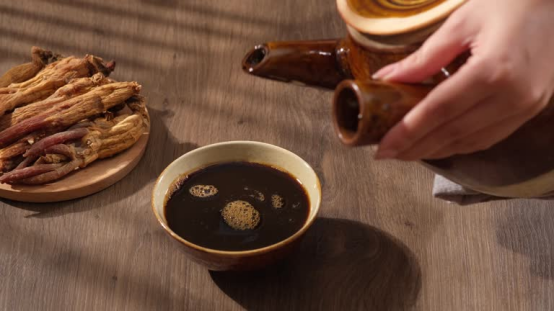
Traditional Chinese Medicine (TCM) is a sophisticated system of health and wellness built on the principle of living in harmony with nature. A core tenet of this philosophy is that our bodies are microcosms of the natural world, deeply influenced by the cycles of the seasons. As the environment shifts from the warmth of summer to the coolness of autumn and the deep cold of winter, our internal landscape must adapt accordingly. By understanding and applying the principles of seasonal attunement, we can proactively prevent illness, strengthen our resilience, and maintain physical and emotional balance throughout the year. This guide provides an in-depth exploration of TCM strategies for navigating the autumn and winter months, including specific approaches for managing conditions like Seasonal Affective Disorder (SAD).
The TCM Philosophy of Seasonal Attunement
At the heart of TCM’s seasonal approach is the theory of Yin and Yang and the Five Elements. Yin represents the cool, dark, and passive forces, while Yang represents the warm, bright, and active forces. The seasons reflect a dynamic interplay between these two energies, with Yang peaking in summer and Yin dominating in winter. The Five Elements—Wood, Fire, Earth, Metal, and Water—provide a more detailed framework, linking each season to specific organ systems, emotions, climates, and flavors. Aligning our lifestyle with these elemental energies is the key to preventing disease.
Understanding the Five Element Correspondences
Each season is governed by a specific element, which in turn influences a pair of organs and a corresponding emotion. Health is maintained when Qi (vital energy) flows smoothly through these systems. Imbalances arise when we fail to adapt our diet, activity, and emotional state to the prevailing seasonal energy.
- Autumn (Metal): This season is associated with the Lungs and Large Intestine. The climate is characterized by dryness, and the corresponding emotion is grief or sadness. The focus is on letting go, much like trees shed their leaves.
- Winter (Water): This season is linked to the Kidneys and Bladder. The climate is cold, and the emotion is fear. Winter is a time for deep rest, conservation of energy, and introspection.
By understanding these connections, we can make conscious choices to support the organ systems under the most stress during a particular season, thereby fortifying our defenses against illness.

Navigating Autumn: The Season of Metal and the Lungs
As summer’s heat recedes, we enter autumn, the season of the Metal element. The energy begins to contract and move inward, preparing for the deep rest of winter. This season is governed by the Lung organ system, which in TCM is responsible for our respiratory health, the health of our skin, and our protective Qi, known as Wei Qi. Wei Qi is our first line of defense against external pathogens like viruses and bacteria.
The Challenge of Autumn Dryness
The predominant climatic factor in autumn is dryness. This external dryness can easily deplete the body’s fluids, particularly affecting the Lungs, which are considered the “delicate organ” as they are most exposed to the external environment. Symptoms of Lung dryness include a dry cough, sore throat, dry skin, and constipation. The emotional aspect of the Metal element is grief, and unresolved sadness can further weaken Lung Qi.
Dietary Recommendations for a Healthy Autumn
To counteract autumn dryness, the primary dietary strategy is to nourish Yin and moisten the Lungs. This involves consuming foods that are hydrating and building in nature. It is also wise to reduce pungent and spicy foods, which can be overly drying.
- Pears: Considered a superfood for the Lungs in TCM, pears are excellent for moistening dryness and clearing heat.
- Honey: Raw honey can soothe a dry throat and moisten the intestines to relieve constipation.
- Lily Bulb (Bai He): This herb is often used in soups and congees to calm the spirit and moisten the Lungs.
- White Fungus (Yin Er): A hydrating mushroom that nourishes Lung Yin.
- Root Vegetables: Foods like sweet potatoes and squash are grounding and nourishing for the digestive system, which supports the Lungs.
Lifestyle Adjustments for Autumnal Harmony
Beyond diet, certain lifestyle practices can help you align with the energy of autumn. This includes protecting yourself from wind, which can carry pathogens and disrupt the body’s Wei Qi. Wearing a scarf is a simple yet effective practice. It is also a powerful time for introspection and letting go of what no longer serves you, aligning with the season’s theme of release. Engaging in deep, mindful breathing exercises can directly strengthen Lung Qi.

Fortifying for Winter: The Season of Water and the Kidneys
Winter is the most Yin season, a time of maximum stillness, cold, and darkness. It is governed by the Water element and corresponds to the Kidney organ system. In TCM, the Kidneys are the foundation of all Yin and Yang in the body, storing our vital essence, or Jing. Conserving this energy during winter is paramount for long-term health and for ensuring we have enough vitality for the active spring and summer seasons ahead.
The Importance of Conserving Yang Energy
The primary goal in winter is to protect and nourish our Yang energy, which is the warming, active force in the body. Cold is the predominant external factor, and it can easily invade the body and deplete Yang, leading to symptoms like fatigue, cold limbs, poor circulation, and a weakened immune system. This makes us more susceptible to common winter ailments like colds and flu.
Winter Dietary Therapy: Warming and Nourishing
The diet in winter should shift to focus on warming, deeply nourishing foods that support the Kidneys and build Yang Qi. This means cooking foods for longer periods at lower temperatures, such as in soups, stews, and roasts.
- Warming Soups and Broths: Bone broth is particularly nourishing for the Kidneys and Jing. Soups made with lamb, chicken, and warming spices are ideal.
- Root Vegetables: Carrots, parsnips, turnips, and winter squash are excellent for their grounding and nourishing properties.
- Black-Colored Foods: In Five Element theory, the color black corresponds to the Water element and the Kidneys. Foods like black beans, black sesame seeds, black rice, and seaweed are believed to directly tonify Kidney energy.
- Warming Spices: Incorporate ginger, cinnamon, cloves, and garlic into your cooking to promote circulation and warm the interior.
Lifestyle Practices for Winter Wellness
Winter is a time for rest and conservation. This means going to bed earlier, waking up later, and reducing intense physical activity in favor of more gentle movements like Tai Chi or Qigong. Keeping the body physically warm is crucial, especially the lower back (the location of the Kidneys) and the feet. This period of introspection and quietude allows our energy reserves to be replenished for the year ahead.

Addressing Seasonal Affective Disorder (SAD) with TCM
Seasonal Affective Disorder (SAD) is a form of depression that aligns with the changing seasons, typically beginning in the fall and continuing through the winter months. From a TCM perspective, SAD is not just a brain chemical imbalance but a systemic disharmony involving a lack of Yang energy and the stagnation of Qi.
TCM’s Perspective on SAD: Qi Stagnation and Yang Deficiency
The reduced sunlight and colder temperatures of winter can lead to two primary patterns of imbalance related to SAD:
- Liver Qi Stagnation: The Liver is responsible for the smooth flow of Qi and emotions throughout the body. When we are less active and confined indoors, this energy can become stuck or stagnant, leading to feelings of frustration, irritability, and depression.
- Spleen and Kidney Yang Deficiency: The Spleen governs digestion and energy production, while the Kidneys store our foundational Yang. A deficiency in Yang energy manifests as fatigue, low motivation, feelings of cold, and a lack of mental “fire” or enthusiasm.
Herbal Medicine and Acupuncture for Emotional Balance
TCM offers powerful tools for managing SAD. Acupuncture is highly effective for moving stagnant Liver Qi and boosting Yang energy, which can quickly lift mood and increase vitality. Specific points are chosen to regulate the nervous system and promote relaxation. Herbal formulas are also prescribed based on the individual’s specific pattern. A classic formula for Liver Qi Stagnation is Xiao Yao San (Free and Easy Wanderer), which helps smooth the flow of Qi and relieve tension and irritability.
The Role of Diet, Light, and Movement
In addition to professional treatment, lifestyle strategies are key. The same warming, nourishing diet recommended for winter is crucial for generating the Yang energy needed to combat SAD. Maximizing exposure to natural daylight, especially in the morning, helps regulate the body’s internal clock and stimulate Yang Qi. Gentle, mindful movements like Qigong and Tai Chi are particularly beneficial as they are designed to move Qi, calm the mind, and gently build energy without depleting it.

A Modern Guide to Integrating TCM Seasonal Practices
Incorporating these ancient principles into a modern lifestyle does not have to be complicated. By making small, consistent changes, you can significantly enhance your health and well-being. The key is to cultivate awareness of the seasonal shifts and listen to your body’s needs.
Creating a Seasonal Pantry
One of the easiest ways to start is by aligning your grocery shopping with the seasons. Stock your pantry and refrigerator with the appropriate foods for the time of year. This not only aligns with TCM principles but also encourages eating fresh, local produce, which is often more nutrient-dense.
| Season | Focus | Example Foods |
|---|---|---|
| Autumn (Metal) | Moisten Dryness, Support Lungs | Pears, apples, pumpkins, sweet potatoes, almonds, honey, white fungus |
| Winter (Water) | Warm the Interior, Nourish Kidneys | Lamb, bone broth, black beans, walnuts, ginger, cinnamon, root vegetables |
Simple Daily Rituals for Each Season
Developing simple daily habits can help reinforce your connection to the seasonal cycle.
- Autumn Ritual: Start your day with a few minutes of deep, diaphragmatic breathing to strengthen your Lungs. Wear a scarf whenever you go outside to protect your neck and chest from wind and cold.
- Winter Ritual: End your day with a warm foot soak, perhaps with Epsom salts or ginger, to draw energy downward and promote restful sleep. Prioritize getting 8-9 hours of sleep per night to help your body rest and restore its Jing.
When to Consult a TCM Practitioner
While these general guidelines are beneficial for most people, consulting with a licensed acupuncturist or TCM practitioner is recommended for personalized advice. A practitioner can accurately diagnose your specific pattern of imbalance and create a tailored treatment plan that may include acupuncture, a custom herbal formula, and more specific dietary recommendations to address your unique constitution and health concerns.
Frequently Asked Questions (FAQ)
- Q1: What is the most important season to focus on in TCM?
- While all seasons are important for maintaining balance, winter is considered foundational. In TCM, winter is the time to store and conserve our vital essence (Jing) and Yang energy. Properly resting and nourishing the body during winter sets the stage for robust health and vitality for the entire year to come. Neglecting self-care in winter can lead to a depletion of reserves, potentially causing fatigue or illness in the spring.
- Q2: Can I use these TCM principles alongside Western medicine?
- Absolutely. TCM seasonal health strategies are primarily preventative and based on diet and lifestyle. They can be safely integrated with conventional medical care. For instance, eating warming foods in winter can complement Western approaches to boosting immunity. If you are taking prescription medication or have a serious health condition, it is always best to inform both your medical doctor and your TCM practitioner about all treatments you are receiving.
- Q3: Are there specific herbs I should take for each season?
- TCM herbalism is highly personalized, and it’s best to consult a qualified practitioner rather than self-prescribing. However, some gentle herbs are commonly used as foods. For example, in autumn, herbs like American ginseng can help nourish Yin and Qi. In winter, astragalus (Huang Qi) is often used in soups to strengthen the protective Wei Qi and prevent colds, while spices like ginger and cinnamon are used to warm the body.
- Q4: How does acupuncture help with seasonal health issues?
- Acupuncture works by stimulating specific points on the body to regulate the flow of Qi and blood. For seasonal health, it can be used preventatively as a “seasonal tune-up” to strengthen the organ system associated with the coming season. For conditions like SAD, it helps move stagnant Liver Qi to elevate mood. For winter colds, it can help boost the immune system and alleviate symptoms like congestion and body aches by promoting better circulation of Qi and fluids.
- Q5: What are “black foods” for winter and why are they important?
- In TCM’s Five Element theory, each element corresponds to a color, and the Water element of winter corresponds to the color black. Therefore, black-colored foods are believed to have a special affinity for and ability to nourish the Kidney organ system, which is the foundation of our energy reserves. Examples include black beans, black rice, black sesame seeds, wood ear mushrooms, and seaweed. Incorporating these into your winter diet is thought to directly tonify Kidney Yin, Yang, and Jing.